4 Architecture Design
System topology, network architecture, and integration patterns
4.1 System Architecture Overview
The architecture of a digital satellite television distribution system defines the overall structure, signal flow, and interconnections between components. A well-designed architecture ensures optimal signal quality, system reliability, scalability, and operational efficiency. This chapter presents the fundamental architecture patterns and design principles for professional satellite TV distribution systems.
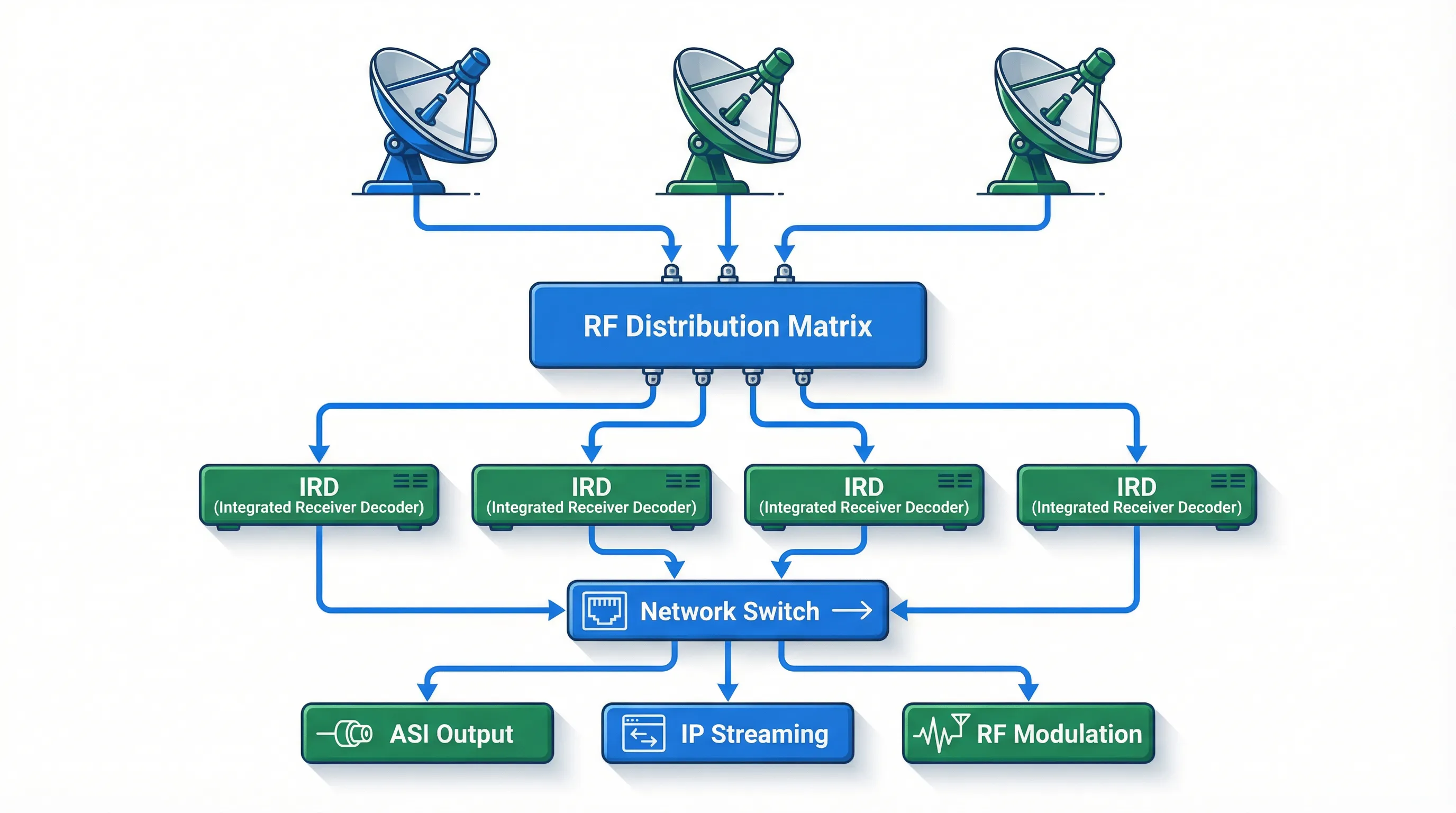
Figure 4.1: Digital Satellite TV Distribution System Architecture
4.2 Signal Reception Layer
The signal reception layer comprises satellite antennas and Low Noise Block (LNB) downconverters that capture satellite signals and convert them to the L-band frequency range (950-2150 MHz). Professional installations typically employ multiple antennas to receive signals from different satellites, with each antenna equipped with appropriate LNB configurations (single, dual, quad, or octo outputs) based on system requirements. Antenna sizing, precise pointing, and proper LNB selection are critical for optimal signal reception.
4.3 RF Distribution Layer
The RF distribution layer manages the routing of satellite signals from LNBs to Integrated Receiver Decoders (IRDs). This layer typically includes RF distribution matrices, splitters, and amplifiers that enable flexible signal routing while maintaining signal integrity. Professional systems employ active distribution matrices that provide programmable routing capabilities, signal amplification, and monitoring functions. Proper impedance matching, minimal signal loss, and adequate isolation between channels are essential design considerations.
4.4 Decoding & Processing Layer
The decoding and processing layer consists of IRD units that receive satellite RF signals, demodulate digital transport streams, decrypt encrypted content, and output video/audio in various formats. Modern professional IRDs support multiple output formats including ASI (Asynchronous Serial Interface), IP streaming (MPEG-TS over UDP/RTP), and RF modulation. IRD selection should consider channel capacity, supported standards (DVB-S, DVB-S2), descrambling capabilities, output flexibility, and remote management features.
4.5 Network Distribution Layer
The network distribution layer handles the transport of decoded content to downstream equipment or end users. This layer typically employs Ethernet switches for IP-based distribution, ASI routers for broadcast applications, or RF modulators for traditional coaxial distribution. Network design must accommodate required bandwidth, support appropriate protocols (multicast for IP streaming), provide sufficient port density, and ensure low latency for live content distribution.
4.6 Management & Monitoring Layer
The management and monitoring layer provides centralized control, configuration, and status monitoring for all system components. Professional installations incorporate network management systems (NMS) that enable remote equipment configuration, real-time status monitoring, alarm notification, and performance reporting. Integration with SNMP (Simple Network Management Protocol), web-based interfaces, and API access facilitates comprehensive system management and troubleshooting.
4.7 Architecture Design Principles
Effective architecture design follows key principles including modularity for easy expansion, redundancy for high availability, scalability to accommodate growth, standardization for interoperability, and manageability for efficient operations. These principles ensure the system can adapt to changing requirements, maintain reliable operation, and support long-term operational efficiency. Careful attention to signal flow, component placement, and interface standards creates a robust and maintainable system architecture.