2 Design Methodology
Design principles, standards, and best practices for system planning
2.1 Design Process Overview
The design methodology for digital satellite television distribution systems follows a structured, systematic approach that ensures comprehensive planning, efficient implementation, and reliable operation. This process encompasses six key phases, each building upon the previous to create a robust and scalable solution.
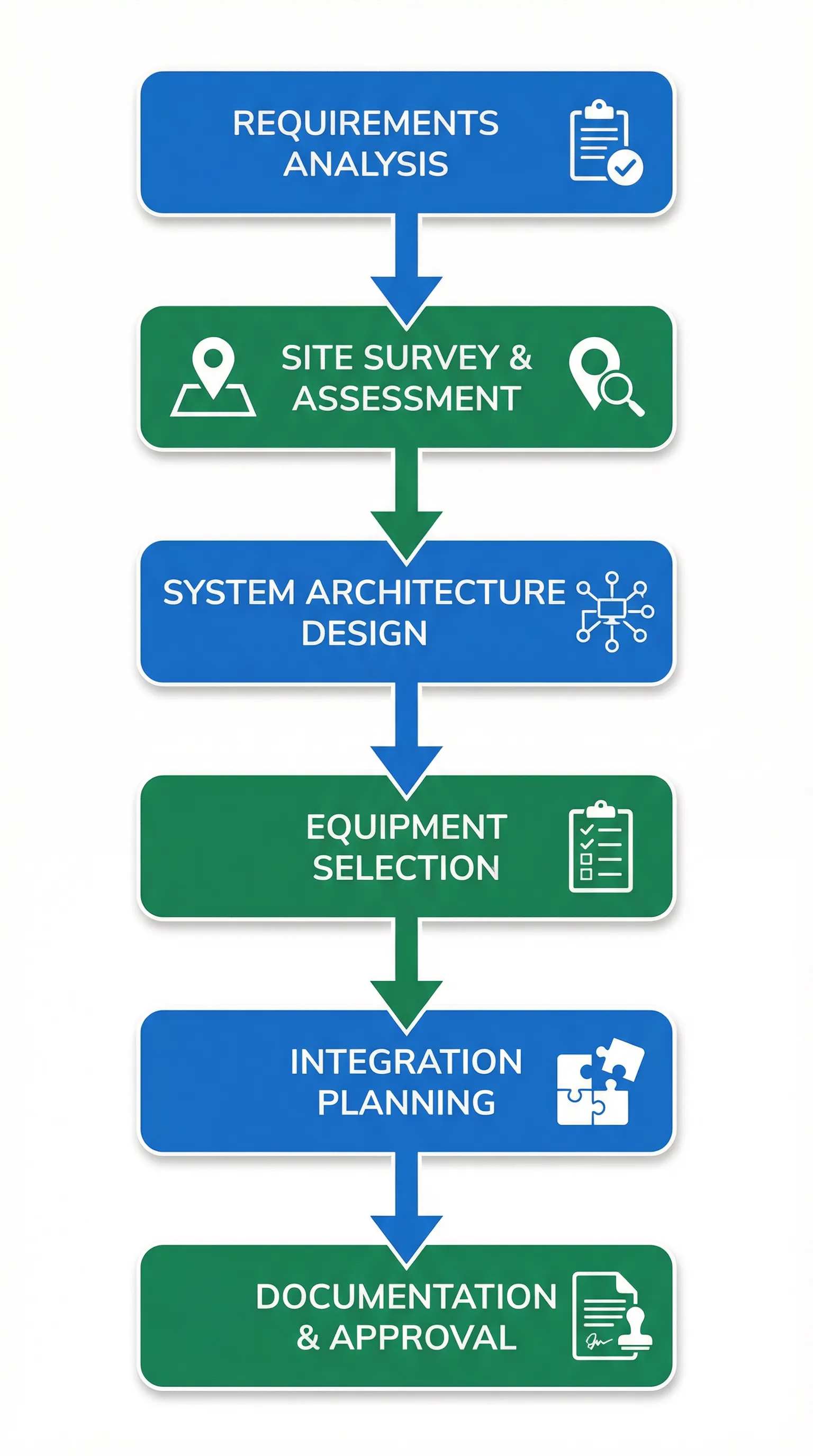
Figure 2.1: Six-Phase Design Methodology for Satellite TV Distribution Systems
2.2 Requirements Analysis Phase
The requirements analysis phase establishes the foundation for the entire project. This critical first step involves detailed consultation with stakeholders to understand channel requirements, viewing locations, quality expectations, budget constraints, and timeline considerations. Key deliverables include a comprehensive requirements specification document, preliminary capacity estimates, and initial budget projections.
2.3 Site Survey & Assessment Phase
Site survey and assessment involves physical inspection of the installation location to identify optimal antenna placement, evaluate line-of-sight conditions, assess environmental factors, and document existing infrastructure. This phase produces detailed site survey reports, satellite visibility analysis, infrastructure assessment documentation, and preliminary equipment placement plans.
2.4 System Architecture Design Phase
System architecture design translates requirements and site conditions into a detailed technical design. This phase defines the overall system topology, specifies signal flow paths, determines redundancy strategies, and establishes network architecture. Outputs include comprehensive system architecture diagrams, signal flow documentation, equipment specifications, and interface definitions.
2.5 Equipment Selection & Integration Planning
Equipment selection involves evaluating available products against technical requirements, compatibility needs, budget constraints, and long-term support considerations. Integration planning ensures seamless interoperability between components and defines testing procedures. This phase produces detailed equipment specifications, vendor evaluation matrices, integration test plans, and procurement recommendations.
2.6 Design Standards & Best Practices
Professional system design adheres to established industry standards and incorporates proven best practices. The following table presents key design parameters and recommended values for professional installations.
| Parameter | Specification | Recommended Range | Notes |
|---|---|---|---|
| Operating Frequency | 950-2150 MHz | L-Band Standard | After LNB downconversion |
| Input Level | -65 to -25 dBm | -50 to -35 dBm optimal | IRD input specification |
| Symbol Rate | 1-45 Msps | Varies by service | DVB-S/S2 compatible |
| Output Format | ASI / IP / RF | Multiple simultaneous | Depends on IRD model |
2.7 Documentation & Approval Process
The final phase ensures all design decisions are properly documented and approved by relevant stakeholders. Comprehensive documentation includes system design specifications, equipment lists, installation drawings, test procedures, and operational manuals. The approval process involves technical review, budget confirmation, timeline validation, and formal sign-off before proceeding to implementation. This structured approach ensures all parties have a clear understanding of the system design, implementation plan, and expected outcomes.